
Property types
Restaurant & Hospitality
Tourism drives this category here, and infrastructure decides whether a space is actually usable.
Home/Property Types/Restaurant & Hospitality
TL;DR
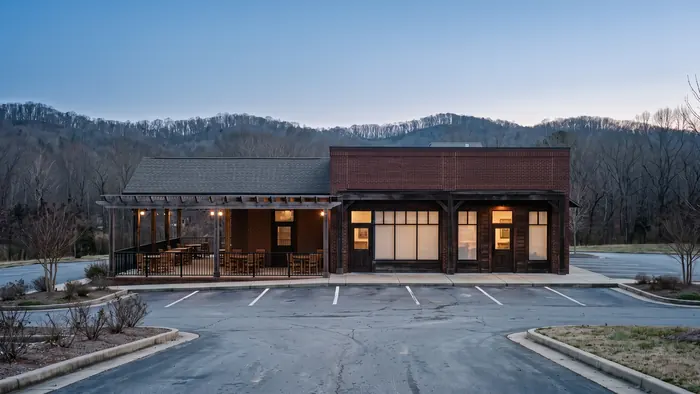
Restaurant and hospitality property in North Georgia includes second-generation restaurant space on the historic squares, highway-frontage sites, event venues, and lodging in the tourism counties. Kitchen infrastructure, waste capacity and alcohol licensing determine whether a space is viable far more than square footage does.
Overview
Infrastructure first, concept second.
A restaurant space is a set of utility and waste capacities with a dining room attached. Grease interceptor sizing, hood and make-up air, gas pressure, electrical capacity and sewer or septic capacity decide whether a concept can operate in a given building, and each of them is expensive to change.
This is why second-generation space commands a premium and why it deserves genuine scrutiny. Inheriting a kitchen is only a saving if the kitchen suits your menu and still meets the current requirements of the health department and the sewer authority.
The regional layer is tourism. Fannin, Gilmer, White, Lumpkin and Dawson counties draw substantial visitor traffic, which supports restaurants, venues and lodging that local population alone would not. It also means a genuinely seasonal revenue shape, and a lease structured against peak-season expectations is a lease that gets difficult in the off season.
Diligence
What to confirm before signing.
Grease interceptor
Size, condition and whether it meets the current requirement of the local sewer authority. Undersized interceptors are a common and expensive surprise in second-generation space.
Hood and make-up air
Exhaust capacity for your actual cooking line, and the balancing make-up air. A hood sized for a previous concept may not serve yours.
Utilities and capacity
Gas service and pressure, electrical capacity, and water supply. Kitchen loads are much higher than the previous retail use may have required.
Septic or sewer
Restaurants generate high-strength waste. On septic, capacity is seat-count limiting and the county environmental health office decides what is permitted.
Alcohol licensing
City or county dependent, with its own conditions, quotas and distance requirements. Confirm eligibility for the specific address before signing.
Seasonality and staffing
In the tourism counties, both demand and labour availability vary through the year. Build the lease around the trough, not the peak.
Questions
What operators and owners ask.
What makes second-generation restaurant space valuable?
Existing hood, grease interceptor, gas service and floor drains represent significant cost already spent. Confirm each is sized and permitted for your concept rather than assuming inheritance is automatic.
Can I get a liquor licence at any address?
No. Alcohol licensing is city or county specific and may involve quotas, distance requirements from schools or churches, and local conditions. Verify eligibility for the specific address with that jurisdiction before you sign.
Does septic limit restaurant size?
Yes, materially. Restaurants produce high-strength waste and on septic the permitted system capacity effectively caps seat count. The county environmental health office determines this for your intended use.
How do I structure a lease around a seasonal market?
Underwrite the trough, not the peak, and negotiate accordingly: term length, any free-rent period timing, and escalation structure all matter more when revenue is seasonal. We will tell you which corridors are visitor-dependent.
Our residential division
Moving to the mountains to open?
Operators relocating to open a restaurant or venue can work with our residential division on the move itself.
Gold Peach Commercial
Send us the menu.
The cooking line determines the hood, the hood determines the building, and the building determines the market.